

Role of Thermal Energy and Fluid Mechanics in the Era of Digital Transformation
1. Thermodynamic Principles and Foundations of Industrial Steam Boiler Technologies

Industrial Steam Boiler Technologies architectural diagram, intelligent component distribution, and cyber-physical automation control unit integration.
In engineering literature, the steady evolution of closed-loop systems that facilitate the phase transition of water into high-energy gas is dictated by the practical application of thermodynamic laws. Ideal gas equations, detailed enthalpy calculations, and Bernoulli's principle constitute the scientific bedrock that directly influences the internal architectural parameters of modern pressure vessel designs. High-performance Industrial Steam Boiler Technologies are meticulously engineered to transfer thermal energy released during fuel combustion to water molecules at the maximum possible heat transfer coefficient. The resulting high-pressure gradient safeguards a highly stable, uniform, and uninterrupted energy output across the entire facility. For a comprehensive review of the fundamental laws governing energy conservation and molecular phase transitions, detailed analytical documentation can be reviewed via the Wikipedia Thermodynamics platform.
The latent heat of vaporization absorbed by water during its transition from a liquid to a gaseous phase allows thermal energy to be transported over immense distances with negligible mass loss. As this high-energy gas circulates through industrial steam piping networks, it condenses at the designated production terminal, transferring its entire latent heat load to the target product within seconds. Optimizing this thermal cycle from a thermodynamic standpoint requires flawless aerodynamic engineering of the combustion chamber geometry, heat transfer surfaces, and smoke box pass configurations. Modern Industrial Steam Boiler Technologies integrate high-torque drive units and fully modulating burner systems to push thermal efficiency parameters to their absolute theoretical limits.
In modern cyber-physical production frameworks, conventional mechanical gauges have been systematically replaced by digital transducers, smart sensor arrays, and edge-computing devices. Critical parameters such as water levels and internal pressure thresholds, which were historically balanced via manual human interventions, are now optimized within microseconds by programmable logic controllers (PLCs). This unprecedented level of automation achieved within the historical chronology of Industrial Steam Boiler Technologies dramatically extends equipment service life while minimizing routine operational expenditures. Operating in complete harmony with cloud-based analytical centers, these intelligent mechanisms supply real-time datasets to predictive maintenance algorithms, thereby eliminating the risk of unexpected operational downtime at the source level. Explore Malkan steam boiler solutions.
2. Multi-Sectoral Applications of Industrial Steam Boiler Technologies
Maintaining a highly stable pressure regime across multi-disciplinary production environments requires addressing diverse technical challenges unique to the structural dynamics of each individual sector. From heavy chemical processing and pulp manufacturing to food production plants and clinical sterilization centers, modern Industrial Steam Boiler Technologies assume mission-critical operational responsibilities. For instance, in food processing plants executing precise pasteurization and sterilization protocols, the total elimination of temperature fluctuations is paramount for public health and product standardization. Similarly, within the chemical industry, the ultimate safety and yield of reactions triggered under extreme thermal conditions depend entirely on the purity and quality of the steam injected into the reactor vessel.
The textile, garment, and apparel finishing sectors represent industrial environments where the demand for high-volume, exceptionally dry steam is most intensive and sensitive. During the critical processes of ironing, fabric shaping, and structural setting of woven or knitted textiles, the high-pressure steam applied to the fiber matrices must be instantly and homogeneously evacuated. If residual moisture or latent thermal humidity remains trapped within the textile surfaces after processing, the molecular bonds of the fibers relax prematurely, triggering severe defects like fabric shading, yellowing, water spotting, and permanent dimensional deformations. To eliminate these costly operational hazards, forward-thinking enterprises deploy high-capacity Malkan Industrial Steam Boilers that supply consistent, moisture-free dry steam to guarantee zero-defect manufacturing outcomes.
[Thermal Energy Generation] ➔ [High-Pressure Dry Steam Delivery] ➔ [Instant Homogeneous Evacuation] ➔ [Zero-Defect Textile Finishing]
In the healthcare sector, this extreme thermal capacity is fully leveraged to purge pathogens from surgical instruments and medical apparatus within high-pressure autoclaves. The superior penetration capabilities of saturated steam disrupt micro-organism structures at a cellular level, rapidly achieving absolute sterilization criteria. On a macro-scale, utilizing this expansive gaseous force to drive massive steam turbines connected to electrical generators represents the pinnacle of thermal engineering power. Tesis managers seeking to safeguard complex manufacturing workflows systematically integrate heavy-duty Malkan Leather and Fur Steam Boilers or advanced central steam networks to secure uncompromised operational standardizations across specialized manufacturing tracks. To explore the mathematical formulations governing fluid dynamics, boundary layer theories, and volumetric flow rates in closed conduits, engineering professionals can consult the Wikipedia Fluid Mechanics open-source archive.
3. Advanced Hardware Architecture and Intelligent Components

Intelligent steam generator and industrial automation systems integration.
The internal architecture of a state-of-the-art thermal energy unit represents a premium synthesis of cutting-edge material science and sophisticated electromechanical design principles. Components operating under elevated temperatures and extreme cyclic pressure variations must be engineered with a core philosophy centered on minimizing tribological wear and maximizing total asset lifecycles. Metallurgical innovations have led to the utilization of specialized alloy steel pressure vessels that display phenomenal structural resistance against severe thermal expansion stresses. The implementation of robust Industrial Steam Boiler Technologies relies heavily on these high-grade materials to prevent micro-fissures and structural fatigue over decades of continuous operation.
The integration of intelligent electromechanical components further refines the operational parameters of these thermal assets. Every specialized sub-system works in perfect synchronization to convert primary fuel sources into high-quality thermal energy with minimal environmental impact. To understand how these systems maintain peak operational efficiency under fluctuating factory loads, the specific contributions of these advanced technological components are detailed below:
Intelligent Hardware Features and Technological Components
Modulating burner mechanisms significantly minimize fuel consumption rates by adjusting the flame profile dynamically. Digital water level controllers prevent dry running operational risks through continuous ultrasonic tracking. Integrated economizer units provide advanced waste heat recovery by preheating boiler feed water. High-precision safety valves safely relieve excess systemic pressure during unexpected grid fluctuations. PLC-based control panels offer real-time data tracking capabilities via user-friendly human-machine interfaces. Stainless steel feed pumps maximize systemic corrosion resistance against aggressive deaerated water. Condensate recovery lines thoroughly optimize total water conservation by returning pure hot water. Proportional blowdown valves effectively prevent internal scale accumulation and dissolved solids concentration. Air preheater mechanisms linearly increase total combustion efficiency by elevating intake air temperature. Ceramic fiber insulation panels decrease body heat losses to negligible percentages.
Maximizing the optimization of these specialized technical components forms the concrete engineering force that allows an industrial facility to manufacture goods in alignment with rigorous global standards. This meticulous selection of high-performance hardware not only extends routine maintenance intervals but also curtails the comprehensive total cost of ownership for modern enterprises. Ultimately, the deployment of next-generation Malkan Steam Generators with Iron systems exemplifies how premium component configuration directly translates into unmatched operational reliability at the factory floor level.
4. Automation and Cyber-Physical Integration within Industry 4.0
The modern industrial paradigm dictates the absolute conversion of traditional mechanical infrastructures into highly connected digital assets via cyber-physical systems. Within this framework, advanced Industrial Steam Boiler Technologies are fully integrated into the primary automation network of the factory using Internet of Things (IoT) protocols and smart communication gateways. Real-time steam consumption rates, temperature differentials across condensate return lines, and flue gas emission metrics are continuously streamed to secure cloud platforms for algorithmic analysis. This uninterrupted data flow allows artificial intelligence models to dynamically modulate system variables, ensuring the plant always operates at its absolute peak economic sweet spot.
[IoT Sensor Array] ➔ [Real-Time Data Streaming] ➔ [Cloud AI Analytics] ➔ [Dynamic Microsecond Adjustments]
Advanced automation software architectures possess the capability to predict real-time demand fluctuations on the production floor, automatically recalibrating burner intensity and fuel-to-air ratios proactively. For example, when multiple high-load Malkan Garment Ironing Tables are activated simultaneously along a high-volume apparel finishing line, the centralized control system detects the impending thermal load within microseconds. To prevent sudden, detrimental drops in steam pressure, the system proactively ramps up heat generation elements and modulates feed water delivery before any systemic pressure drop can manifest. This responsive orchestration of Industrial Steam Boiler Technologies maximizes machine utilization rates while simultaneously reinforcing grid stability by smoothing out violent energy consumption spikes.
In an era defined by aggressive green transition policies and strict carbon-neutral targets, monitoring flue gas emissions with extreme accuracy is legally and operationally vital. Intelligent Industrial Steam Boiler Technologies cross-reference real-time data from in-situ flue gas analyzers to automatically execute fine adjustments to combustion air dampers, mitigating greenhouse gas outputs. This proactive environmental governance directly supports the comprehensive sustainability certification workflows of visionary manufacturers competing within stringent international marketplaces. Furthermore, by utilizing cutting-edge digital twin technologies, engineers can accurately simulate localized thermal stresses and mechanical wear patterns, optimizing spare part replacement schedules with profound economic precision. To analyze the broader architectural layouts, security protocols, and machine-to-machine (M2M) communication frameworks defining the current manufacturing revolution, comprehensive academic records are accessible via the Wikipedia Industry 4.0 portal.
5. B2B Procurement Strategies: Total Cost of Ownership and ROI Analysis
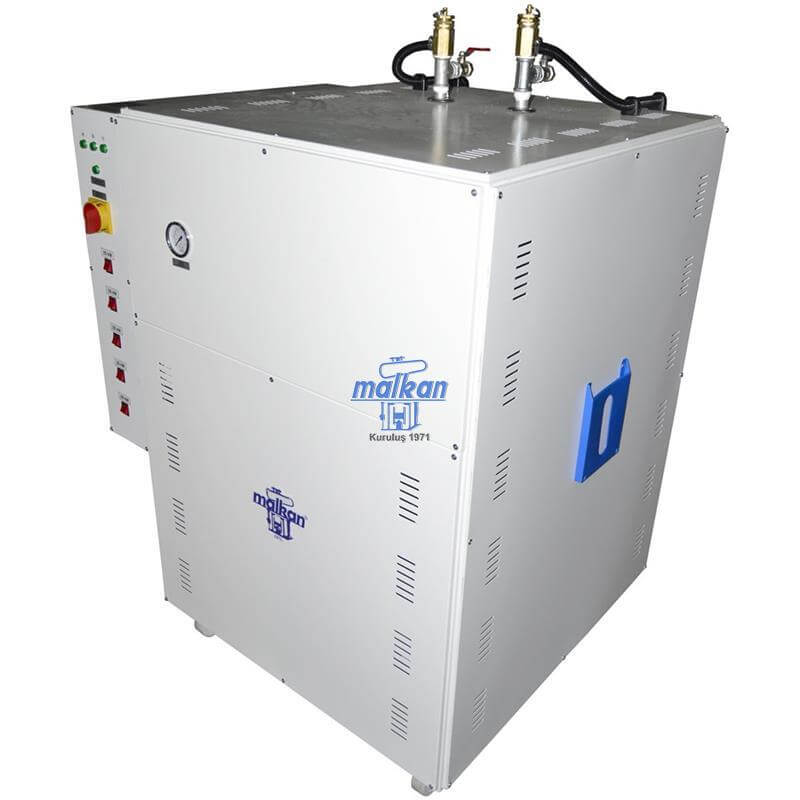
Industrial steam boiler systems and B2B procurement strategies.
During industrial B2B procurement workflows, evaluating a high-value capital asset solely based on its initial capital expenditure (CAPEX) poses severe long-term financial risks to an enterprise. A mature financial validation requires executing a rigorous Total Cost of Ownership (TCO) analysis that spans the entire operational lifecycle of the machine, including fuel consumption, maintenance overheads, and parts availability. Financial audits indicate that low-efficiency thermal systems with cheaper initial purchase prices systematically generate catastrophic operational expenditures (OPEX) within a few years due to excessive fuel consumption. Investing in high-efficiency Industrial Steam Boiler Technologies represents a mathematically proven strategy for securing long-term corporate profitability and operational cost-containment.
Engineering Parameter Comparison:
| Parameter | Heavy-Duty Industrial Systems | Light Commercial Alternatives | Financial Impact on TCO |
|---|---|---|---|
| Material Composition | Special Alloy Cast Steel | Standard Carbon Steel | Drastically reduces thermal stress failures |
| Operational Duty Cycle | 24/7 Continuous Load | Intermittent Duty Cycle | Eliminates expensive unscheduled plant shutdowns |
| Thermal Efficiency | Up to 98% with Economizers | 75% - 80% Baseline | Linearly curtails monthly primary fuel bills |
| Automation Level | Full PLC & IoT Integration | Manual / Basic Analog | Minimizes specialized labor and human error costs |
The underlying pricing mechanisms governing these industrial thermal assets are directly tied to core engineering specifications, including nominal thermal power ratings, volumetric steam output per hour (kg/h), and maximum certified operating pressures (bar). While heavy-duty industrial variations utilizing premium metallurgical alloys command higher initial budgets, their ability to sustain flawless 24/7 continuous operations accelerates the Return on Investment (ROI) timeline. Corporate procurement officers prioritizing technical specifications and verifiable engineering metrics over short-term savings successfully insulate their production facilities from volatile energy markets. Selecting top-tier Industrial Steam Boiler Technologies ensures that the core thermal infrastructure functions as a highly profitable asset rather than a unpredictable operational liability.
Amid intense global supply chain disruptions and complex geopolitical logistics, partnering with industrial manufacturers that possess robust localized technical service networks yields massive strategic advantages. In the event of a critical component anomaly, waiting multiple weeks for a specialized replacement part to clear international customs can cause devastating halts along the primary assembly lines. Industry leaders consciously align their procurement protocols with manufacturers providing guaranteed spare parts availability and rapid-response field engineering teams to maintain uncompromised operational continuity. Balancing exceptional thermodynamic performance with reliable technical support infrastructures allows B2B enterprises to maintain highly competitive pricing models and aggressive expansion strategies in the global arena.
6. Sustainability Frameworks and the Green Factory Transformation
The future of the international manufacturing ecosystem is irrevocably anchored to the core tenets of resource minimization, carbon mitigation, and the realization of net-zero manufacturing models. Global industrial conglomerates are facing unprecedented regulatory pressures and shifting consumer paradigms that demand a profound reduction in total environmental footprints. Because thermal generation infrastructures consume a major percentage of total factory energy allocations, upgrading these systems has become the primary focal point of corporate sustainability strategies. Next-generation Industrial Steam Boiler Technologies are being progressively re-engineered to utilize carbon-neutral alternative fuels, including green hydrogen mixtures, advanced biomass inputs, and high-efficiency multi-stage electrification modules.
The deployment of sophisticated closed-loop fluid recycling systems, such as advanced economizers and highly insulated condensate return mechanisms, perfectly mirrors the ideals of the circular economy. These systems capture high-entropy thermal energy from flue gases and return hot condensed water directly back into the pressurized boiler environment. Consequently, the intake temperature of the feed water is substantially elevated, which directly minimizes the volume of primary fuel required to spark the next phase change. This proactive thermal optimization not only slashes fuel-related operational costs but also lowers the temperature of gases discharged into the atmosphere, mitigating localized thermal pollution.
[Exhaust Heat Capture] ➔ [Feed Water Preheating] ➔ [Reduced Primary Fuel Burn] ➔ [Lowered Carbon Footprint]
Transitioning into a certified green factory requires more than basic hardware modifications; it demands a total cultural shift toward verifiable, data-driven operational transparency. Incorporating advanced Industrial Steam Boiler Technologies equipped with cloud-based carbon accounting software allows modern enterprises to instantly generate granular sustainability metrics for international compliance audits. This verifiable environmental reporting directly accelerates corporate eligibility for competitive green bonds and specialized sustainable international credit lines. By continuously optimizing fluid control and thermal conversion parameters, visionary world brands successfully future-proof their operations against impending carbon taxes while protecting the ecological balance of the planet.
7. Frequently Asked Questions
How do modern Industrial Steam Boiler Technologies influence operational profitability in high-volume manufacturing lines?
Modern Industrial Steam Boiler Technologies optimize operational profitability by delivering a highly consistent, high-density thermal energy supply that standardizes product quality and eliminates manufacturing defects. Furthermore, their integrated Industry 4.0 automation systems dynamically adapt to real-time load shifts on the factory floor, preventing fuel wastage and lowering monthly energy expenditures.
What specific role do heat recovery systems play within the structural architecture of modern Industrial Steam Boiler Technologies?
Heat recovery systems, such as advanced economizers and condensate return loops, capture the thermal energy of exhaust flue gases and hot condensed water to preheat incoming boiler feed water. Within the framework of Industrial Steam Boiler Technologies, this process linearly curtails the volume of primary fuel required for steam generation, slashing TCO and optimizing resource efficiency.
What proactive operational advantages are unlocked by integrating Industry 4.0 features into Industrial Steam Boiler Technologies?
Integrating Industry 4.0 features into Industrial Steam Boiler Technologies enables continuous tracking of critical variables like pressure thresholds, fluid velocities, and emission values via cloud-based PLC modules. This real-time data stream feeds predictive maintenance algorithms that detect structural wear patterns early, completely eliminating the risk of catastrophic, unscheduled factory shutdowns.
Elevate Your Thermal Infrastructure with Advanced MALKAN Solutions
Discover the future of thermal engineering by exploring our comprehensive digital product portfolio, featuring high-capacity industrial steam boilers, intelligent generation units, and advanced garment automation systems. To accurately map out potential energy conservation vectors and thermal efficiency enhancements within your existing production footprint, you can request a comprehensive pre-engineering feasibility assessment from our expert technical design teams.
By integrating Industry 4.0-compliant MALKAN systems tailored precisely to your specific volumetric requirements and international export targets, you can transition your manufacturing facility into the next era of high-efficiency, sustainable industrial manufacturing with complete operational confidence.
Request Technical Information →Follow Our Corporate Social Media Channels:
Resources and Detailed Information
- • Wikipedia - Thermodynamics – Thermodynamic laws and energy conversion https://en.wikipedia.org/wiki/Thermodynamics
- • Wikipedia - Fluid Mechanics – Fluid dynamics principles and volumetric flow rates https://en.wikipedia.org/wiki/Fluid_mechanics
- • Wikipedia - Industry 4.0 – Cyber-physical systems and smart manufacturing https://en.wikipedia.org/wiki/Industry_4.0
- • Steam Boilers – Industrial steam boiler solutions https://malkan.com.tr/en/urun-kategori/garment-and-ready-wear/steam-boilers/
- • Industrial Steam Generator with Iron – Garment automation systems https://malkan.com.tr/en/industrial-steam-generator-with-iron/
Original Publication Date: 07 July 2023 | Document Last Updated: 21 May 2026
MALKAN Corporate Communications | © 2026 All Rights Reserved.